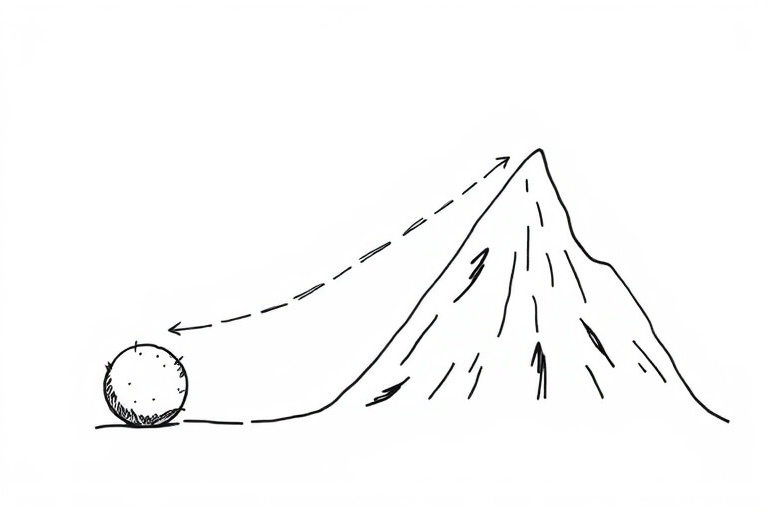
When it comes to paying off multiple debts, two strategies dominate the conversation: the debt snowball and the debt avalanche. Both can lead to financial freedom, but they take different psychological and mathematical approaches.
Understanding the Debt Snowball Method
The debt snowball method focuses on paying off debts in order of smallest to largest balance, regardless of interest rates. You make minimum payments on all debts while putting every extra dollar towards the smallest debt until it's eliminated.
How the Debt Snowball Works
1. List all debts from smallest to largest balance
2. Make minimum payments on all debts
3. Put any extra money toward the smallest debt
4. Once the smallest debt is paid off, take that payment amount and add it to the next smallest debt
5. Repeat until all debts are eliminated
Debt Snowball Example
Let's say you have these debts:
- Credit Card A: $500 balance, 18% interest, $25 minimum payment
- Credit Card B: $2,000 balance, 15% interest, $50 minimum payment
- Car Loan: $8,000 balance, 6% interest, $200 minimum payment
- Student Loan: $15,000 balance, 4% interest, $150 minimum payment
With the snowball method, you'd focus on Credit Card A first, despite it not having the highest interest rate.
Understanding the Debt Avalanche Method
The debt avalanche method prioritizes debts by interest rate, paying off the highest-interest debt first while making minimum payments on everything else. This method minimizes the total interest paid over time.
How the Debt Avalanche Works
1. List all debts from highest to lowest interest rate
2. Make minimum payments on all debts
3. Put any extra money toward the highest-interest debt
4. Once the highest-interest debt is paid off, move to the next highest rate
5. Continue until all debts are eliminated
Debt Avalanche Example
Using the same debts from above, the avalanche method would prioritize Credit Card A (18%), then Credit Card B (15%), then the car loan (6%), and finally the student loan (4%).
Mathematical Comparison
From a purely mathematical standpoint, the debt avalanche typically results in paying less interest over time. The difference can be significant depending on your debt structure:
When Avalanche Saves More
The debt avalanche method shines when you have:
- Large differences in interest rates between debts
- High-balance, high-interest debts
- The discipline to stick with the plan long-term
When the Difference is Minimal
If your debts have similar interest rates or you can pay them off quickly, the mathematical difference between methods may be negligible – sometimes just a few hundred dollars over the entire repayment period.
The Psychology Factor
While math favors the avalanche, psychology often favors the snowball. Financial behavior isn't purely rational, and the snowball method leverages powerful psychological principles:
Quick Wins Build Momentum
Eliminating smaller debts quickly provides psychological victories that fuel motivation. Each paid-off debt creates a sense of progress and accomplishment.
Simplified Decision Making
With fewer debts to manage, your financial life becomes less complex. This reduction in cognitive load makes it easier to stay focused on the remaining debts.
Behavioral Reinforcement
The snowball method creates positive reinforcement loops. Each victory makes you more likely to stick with the plan and even find additional money to throw at debts.
When to Choose the Debt Snowball
The snowball method works best if you:
- Have struggled with debt repayment motivation in the past
- Need psychological wins to stay motivated
- Have multiple small debts with similar interest rates
- Feel overwhelmed by the number of debts you're managing
- Have a history of starting but not finishing debt repayment plans
When to Choose the Debt Avalanche
The avalanche method is ideal if you:
- Are motivated by mathematical optimization
- Have strong willpower and can delay gratification
- Have significant differences in interest rates between debts
- Want to minimize total interest paid
- Can stay motivated without frequent psychological wins
Hybrid Approaches
You don't have to choose just one method. Consider these hybrid strategies:
Modified Snowball
Pay off the smallest debt first for motivation, then switch to the avalanche method for the remaining debts.
Rate-Adjusted Snowball
Focus on small debts first, but if you have a debt with an extremely high interest rate (like a payday loan), prioritize that first regardless of balance.
Time-Limited Avalanche
Try the avalanche method for 3-6 months. If you find yourself losing motivation, switch to the snowball approach.
Maximizing Success with Either Method
Increase Your Income
The faster you can pay off debts, the less the method choice matters. Focus on earning extra money through side hustles, overtime, or selling unused items.
Cut Expenses Aggressively
Temporarily reduce your lifestyle to maximize debt payments. The faster you eliminate debts, the sooner you can return to normal spending.
Avoid New Debt
Success with either method requires avoiding new debt. Consider removing credit cards from your wallet or closing accounts if necessary.
Track Your Progress
Use apps like CraftMyMoney to visualize your debt elimination progress. Seeing the numbers decrease keeps you motivated regardless of which method you choose.
The Verdict: Psychology Often Wins
While the debt avalanche is mathematically superior, the debt snowball often proves more effective in practice because it accounts for human psychology. The best debt repayment method is the one you'll actually stick with.
Getting Started Today
Choose the method that resonates with your personality and financial situation. Start immediately with whatever extra money you have available. Remember, the goal isn't perfection – it's progress toward financial freedom.
Whether you choose the snowball or avalanche, the most important step is taking action. Both methods work when applied consistently, and either will dramatically improve your financial situation compared to making minimum payments forever.